Botox Injections at Hilinski Medspa: Restore a Youthful Appearance
BOTOX Cosmetic is the gold standard non-surgical treatment for forehead lines, frown lines, and crow’s feet. It has more than two decades of FDA-approved use and an extensive clinical safety record. At Dr. Hilinski’s practice in San Diego, every treatment is performed by Jordan Olivera, R.N., bringing skilled, experienced hands to every appointment, guided by Dr. Hilinski’s deep expertise in facial anatomy — so your results will look refreshed and natural, never frozen.
Dr. Hilinski, Nicole, and team are absolutely amazing! Dr. Hilinski is very knowledgeable, takes the time to thoroughly explain procedures, and has gone above and beyond with patient care during my procedure and throughout all of my follow-ups.
Why the Injector’s Anatomy Knowledge Matters
Your face moves because of a precise network of muscles beneath the skin. Each muscle fires through nerve endings, which trigger contractions. Over years and thousands of repetitions, those contractions etch lines into the skin above them.
BOTOX Cosmetic works by temporarily blocking those nerve signals at the point where nerve meets muscle. This allows the muscle to relax and the overlying skin to smooth. But which muscles to target, at what depth, and in what volume requires precise anatomical knowledge that varies considerably from one injector to the next.
BOTOX Cosmetic has been FDA-approved for glabellar lines since 2002 and is backed by hundreds of randomized controlled trials. A 2002 study in the Journal of the American Academy of Dermatology confirmed significant wrinkle reduction, high patient satisfaction, and a well-tolerated safety profile when appropriate dosing is followed. The results are real, and the science is well-established.
But the science of the product is not the same as the skill of its delivery. At Dr. Hilinski’s practice, BOTOX treatments are performed by Jordan Olivera, R.N., under the direct supervision of a double board-certified facial plastic surgeon.

What sets Dr. Hilinski’s practice apart is the anatomical foundation behind every treatment. Jordan Olivera, R.N., performs BOTOX injections under the direct oversight of a fellowship-trained facial plastic surgeon who has spent decades studying and operating on the muscles, nerves, and soft tissue of the face. Every treatment plan is calibrated to your specific anatomy — the right structure, the right depth, the right volume. The difference between a result that looks natural and one that looks overdone is rarely about the product. It is almost always about anatomy.
At Dr. Hilinski’s practice, serving Coronado and San Diego, BOTOX treatments are not passed off to a rotating roster of injectors. As the practice’s dedicated R.N., Jordan brings the same anatomical standards to every appointment that Dr. Hilinski applies in the operating room.
How BOTOX Cosmetic Works
BOTOX Cosmetic contains onabotulinumtoxinA, a highly purified protein. When injected into a targeted facial muscle, it temporarily blocks the nerve signal that tells that muscle to contract. The muscle relaxes, and the overlying skin smooths out.
The effect is entirely localized. Surrounding muscles continue to function normally. This is why a skilled injector can soften a frown line without altering your overall expression.
A multicenter, double-blind, placebo-controlled trial published in the Journal of the American Academy of Dermatology confirmed that onabotulinumtoxinA significantly reduced glabellar line severity compared to placebo, with a strong safety profile across repeated treatment cycles.

Treatment Areas
BOTOX Cosmetic is FDA-approved for three primary cosmetic indications: glabellar lines (2002), lateral canthal lines (2013), and forehead lines (2017). The practice also offers several additional treatment areas supported by peer-reviewed clinical evidence.
| Treatment Area | What It Addresses |
|---|---|
| Glabellar lines (frown lines) | Vertical “11” lines between the brows |
| Forehead lines | Horizontal creases across the forehead |
| Lateral canthal lines (crow’s feet) | Fine lines at the outer corners of the eyes |
| Brow lift | Subtle elevation of a heavy or drooping brow |
| Bunny lines | Diagonal lines on the bridge of the nose |
| Lip lines | Fine vertical lines around the mouth |
| Chin dimpling | Pebbled “orange peel” texture on the chin |
| Platysmal bands | Vertical cords along the neck |
| Hyperhidrosis | Excessive underarm or palmar sweating |
Off-label uses are supported by peer-reviewed literature and offered at the practice’s discretion based on your individual anatomy and aesthetic goals.

Who Is a Good Candidate for BOTOX?
BOTOX Cosmetic is appropriate for most healthy adults with visible dynamic wrinkles caused by facial muscle movement. You may be a good candidate if you:
- Notice forehead lines, frown lines, or crow’s feet that are present at rest or deepen with expression
- Want a non-surgical option with no downtime
- Have realistic expectations for softening, not full elimination, of lines
- Are not pregnant or breastfeeding
- Do not have a neuromuscular disorder such as ALS or myasthenia gravis
- Have not had an adverse reaction to botulinum toxin products in the past
BOTOX is not appropriate for everyone. During your consultation, Jordan will review your health history and any medications you take, including blood thinners and muscle relaxants, to determine whether BOTOX is safe and right for you.
What to Expect at Your Appointment
Consultation
Jordan begins with a thorough facial assessment, evaluating your muscle movement patterns, skin quality, and overall facial balance before recommending a treatment plan.
Treatment
Most appointments take 15 to 20 minutes. A fine-gauge needle is used for each injection, and most patients describe the sensation as a brief pinch. No anesthesia is required, though a topical numbing cream is available on request.
After Your Treatment
You can return to normal activities immediately. We recommend avoiding strenuous exercise, lying flat, and rubbing the treated areas for the first four hours. Mild redness or swelling at the injection sites typically resolves within an hour or two.
Results and Longevity
Most patients begin to notice softening within three to five days, with full results visible at two weeks.
A randomized, double-blind study of repeated onabotulinumtoxinA treatments published in Dermatologic Surgery found results were consistent and well-tolerated across multiple treatment cycles, with no evidence of diminishing efficacy over time.
On average, BOTOX results last three to four months. With regular maintenance treatments, some patients find their results extend slightly longer as the targeted muscles gradually become less active with consistent relaxation. We recommend scheduling follow-up appointments every three to four months to maintain results.
Risks and Safety Considerations
BOTOX Cosmetic has one of the most well-established safety profiles in aesthetic medicine. A meta-analysis of randomized, placebo-controlled trials published in Plastic and Reconstructive Surgery confirmed that botulinum toxin type A is effective and well-tolerated for cosmetic use, with adverse events that are generally mild, localized, and temporary.
The most common side effects include:
- Mild bruising or redness at the injection site (temporary)
- Localized swelling lasting one to two hours
- Mild headache, which typically resolves within 24 hours
- Rare: temporary drooping of the eyelid or brow (ptosis), which resolves as the product metabolizes
Serious adverse events are rare when BOTOX is administered by a trained, qualified provider using appropriate technique and dosing. The risk of complications is significantly reduced when your injector has a thorough understanding of facial anatomy.
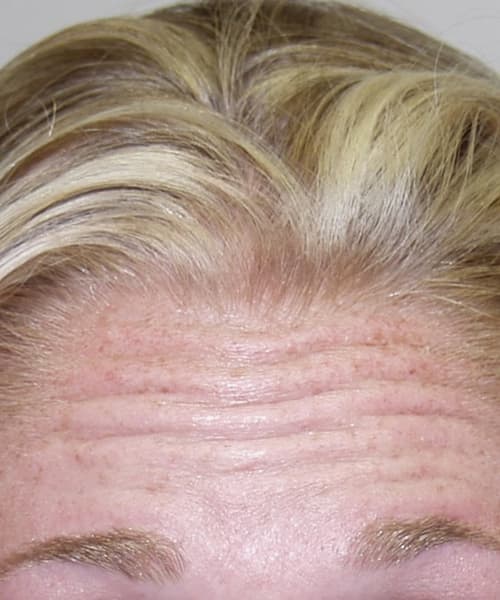
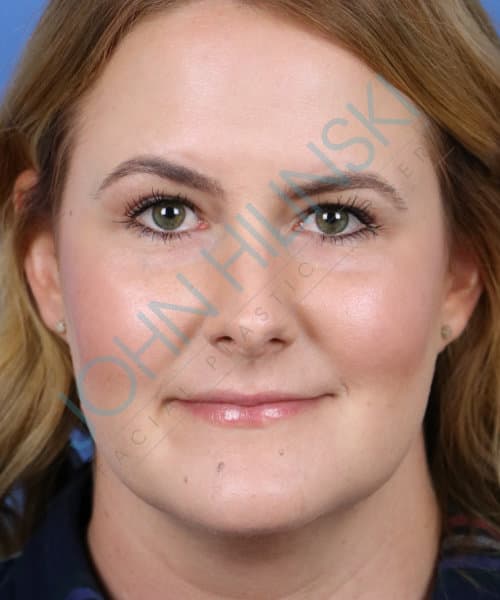
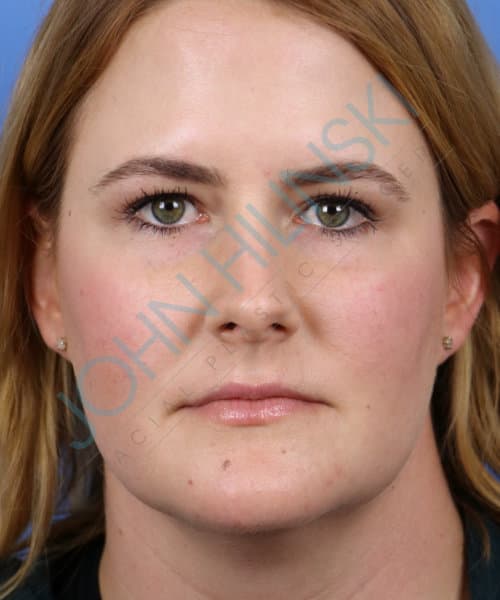
Case 3891
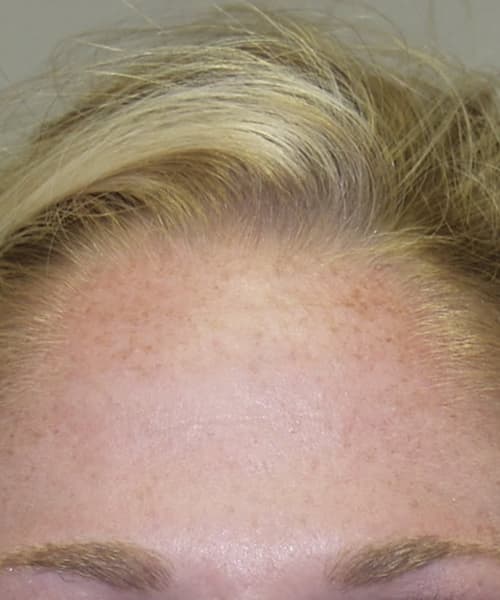
Case 3890
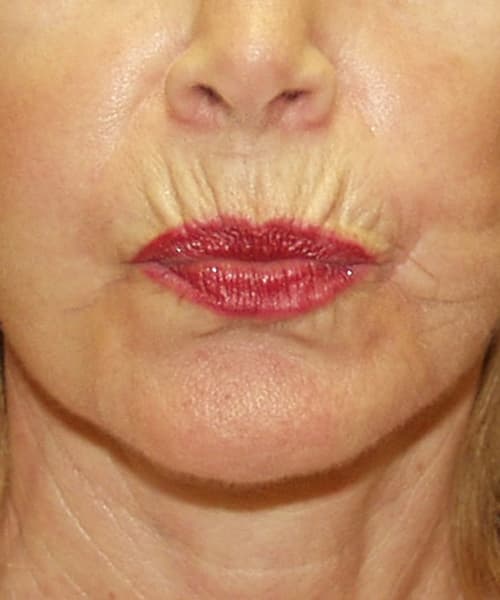
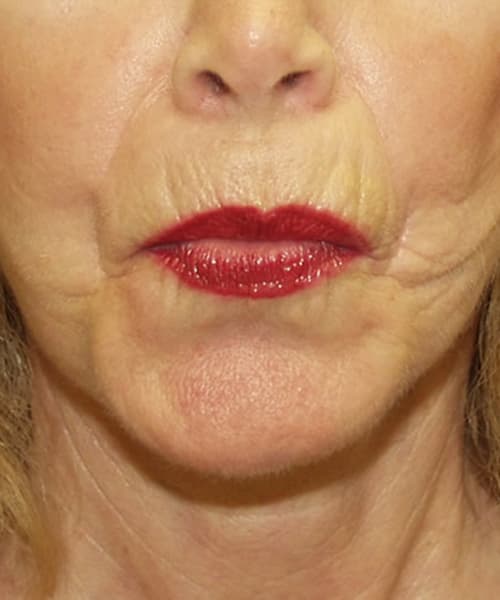
Case 3889
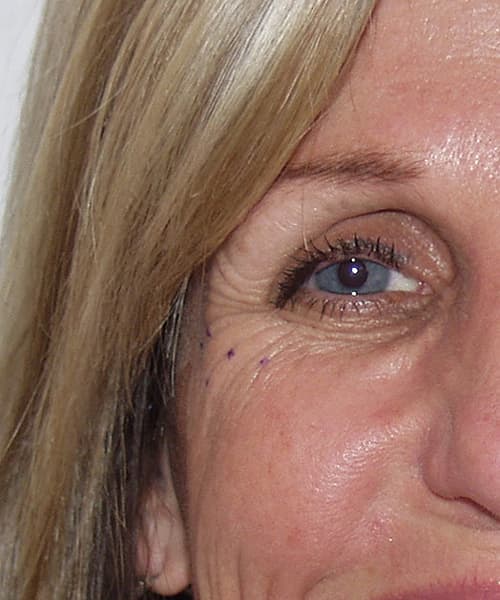
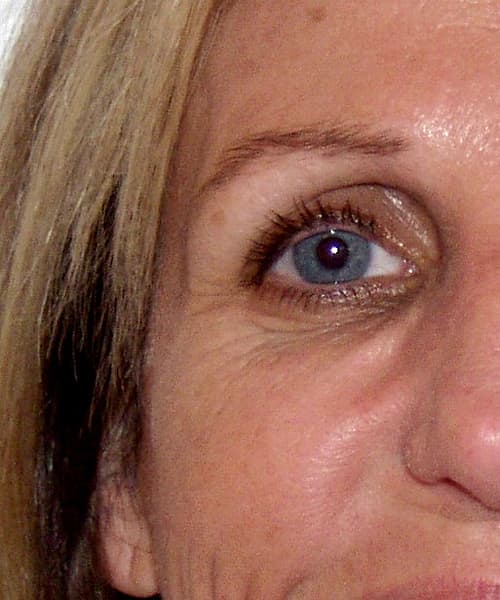
Case 3708
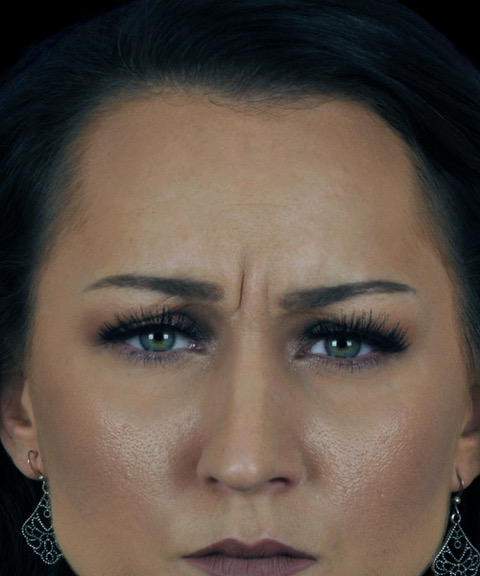
Case 3673
Preventative BOTOX: Starting Earlier Makes Sense
One of the most significant shifts in aesthetic medicine over the past decade is growing interest in preventative BOTOX, sometimes called prejuvenation. The idea is straightforward. If you relax the muscles responsible for dynamic wrinkles before those wrinkles become permanent lines, you may slow visible aging over time.
A Cochrane systematic review of botulinum toxin A for facial wrinkles confirms consistent, evidence-based wrinkle reduction across treatment populations. This supports the clinical rationale for early intervention in patients who are beginning to see lines form. Patients in their late 20s and early 30s who notice expression lines deepening at rest are often appropriate candidates for a conservative, low-dose preventative approach.
The approach at Dr. Hilinski’s practice is measured and anatomy-first. The practice does not advocate for aggressive early intervention. But for patients who are already seeing lines develop, a thoughtful preventative strategy can be a smart long-term investment in your skin.
Combining BOTOX With Other Treatments
BOTOX Cosmetic addresses dynamic wrinkles caused by muscle movement, but it does not restore lost volume or improve skin texture. For more comprehensive facial rejuvenation, many patients combine BOTOX with complementary treatments:
- Injectable fillers such as Juvederm or Restylane restore volume to the cheeks, lips, and under-eye area, addressing static changes that BOTOX alone cannot correct.
- Jeuveau is a next-generation neuromodulator developed exclusively for cosmetic use. Some patients prefer it for its fast onset and consistent results, and it is one of the most popular neuromodulator options at Dr. Hilinski’s practice.
- Dysport is an alternative neuromodulator that some patients prefer for its diffusion profile, particularly for larger treatment areas.
- Liquid rhinoplasty uses filler to refine the nose non-surgically and is sometimes paired with BOTOX to relax the muscle that can pull the nasal tip downward during smiling.
- Full medspa treatment options, including energy-based skin rejuvenation, can improve skin tone and texture alongside your BOTOX results.
Jordan will discuss whether a combination approach is right for your goals during your consultation.
Dr. John Hilinski: Credentials, Training, and Philosophy
“What I appreciate most about treating patients with BOTOX is that it rewards precision. The difference between a result that looks natural and one that looks overdone often comes down to millimeters and units. That’s where surgical training in facial anatomy makes a real difference.”
— Dr. John Hilinski, MD
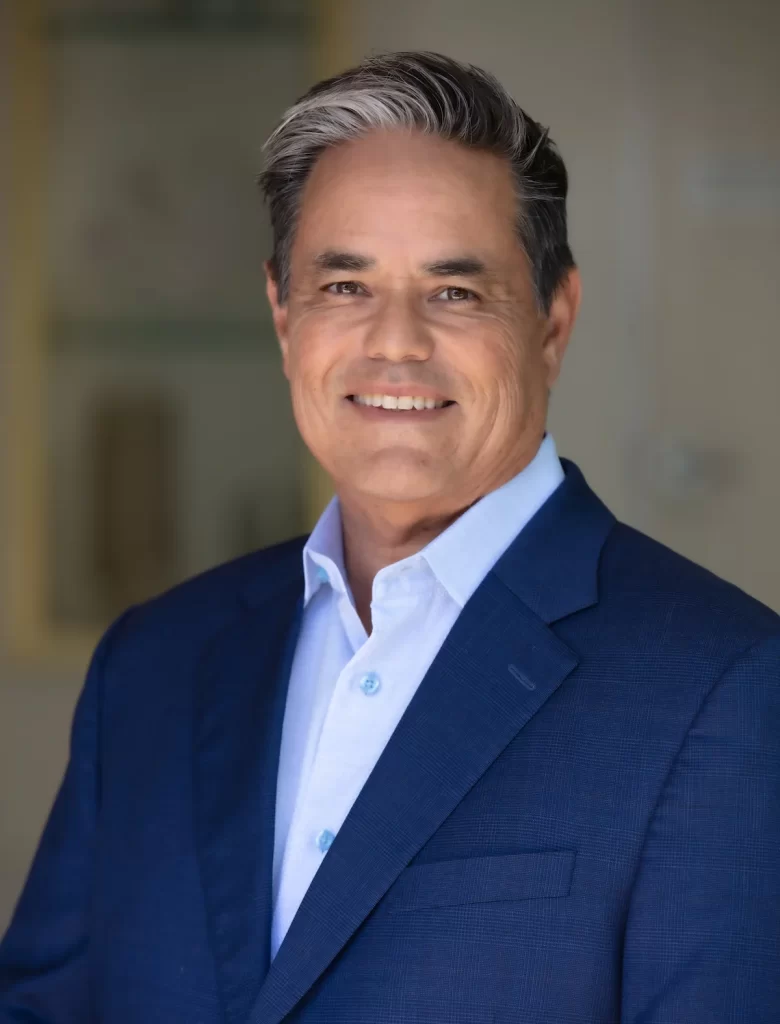
Dr. John M. Hilinski brings a combination of elite academic training, double board certification, and more than 25 years of focused facial plastic surgery experience to the oversight of every treatment at his practice.
Dr. Hilinski earned his medical degree from Harvard Medical School. He completed a General Surgery internship and a five-year Head and Neck Surgery residency at the University of California, San Diego (UCSD), followed by a dedicated Facial Plastic and Reconstructive Surgery Fellowship. He is double board-certified by both the American Board of Facial Plastic and Reconstructive Surgery (ABFPRS) and the American Board of Otolaryngology, Head and Neck Surgery (ABOto-HNS).
Double board-certification in both facial plastic surgery and head and neck surgery means Dr. Hilinski has met the highest standards of training and examination in two distinct surgical specialties. This level of credentialing is held by a small percentage of facial plastic surgeons and reflects a depth of anatomical knowledge that directly informs the injectable care delivered at his practice.
Dr. Hilinski has been recognized as a Castle Connolly Top Doctor, a distinction awarded through a rigorous peer-nomination and review process that identifies fewer than 5% of physicians in the United States. He has served as the facial plastic surgeon for the San Diego Chargers NFL team and is a member of The Rhinoplasty Society, one of the most selective professional organizations in facial plastic surgery. In 2010, he founded the Hilinski Foundation for Surgery, a nonprofit that provides complimentary reconstructive surgical care to children and young patients who would otherwise have no access to these services.
When you choose Dr. Hilinski’s practice, you are choosing a practice where physician-level oversight is built into every appointment. Jordan Olivera, R.N., performs BOTOX treatments under the direct supervision of Dr. Hilinski, bringing the anatomical standards of a fellowship-trained facial plastic surgeon to your care.
You can read more about Dr. Hilinski’s full background on his facial plastic surgeon bio page.
Frequently Asked Questions
The number of units depends on the treatment area, the strength of your facial muscles, and your aesthetic goals. Glabellar lines typically require around 20 units, forehead lines 10 to 20 units, and crow’s feet approximately 12 units per side. These are starting points. Jordan will assess your muscle activity during your consultation and recommend a personalized unit count.
BOTOX Cosmetic has been FDA-approved for cosmetic use since 2002 and carries one of the most extensive safety records of any aesthetic treatment available. A meta-analysis of randomized, placebo-controlled trials published in Plastic and Reconstructive Surgery confirmed that botulinum toxin type A is effective and well-tolerated, with adverse events that are generally mild and temporary.
Most patients enjoy results for three to four months. Factors that influence longevity include the treatment area, the number of units used, your individual metabolism, and the consistency of your maintenance schedule. Patients who receive regular treatments over time often find their results last slightly longer as the targeted muscles become less active.
Not with the right injector. The frozen look results from too many units placed without regard for individual anatomy. Our approach is conservative and anatomy-driven. The goal is always to soften, not eliminate, your natural expression.
Most patients notice initial softening within three to five days, with full results visible at two weeks. We recommend a two-week follow-up for first-time patients to assess results and make any minor refinements if needed.
Yes, and many patients do. BOTOX addresses dynamic wrinkles caused by muscle movement, while injectable fillers restore volume and smooth static lines. Combining the two is a common approach to comprehensive non-surgical rejuvenation. Jordan will recommend the right combination based on your anatomy and goals.
BOTOX is not appropriate for patients who are pregnant or breastfeeding, have a neuromuscular disorder such as myasthenia gravis or ALS, have had a prior allergic reaction to botulinum toxin products, or are taking certain medications that may interact with the treatment. A thorough health history review is conducted at your consultation to confirm you are a safe candidate.”
Dr. Hilinski’s practice is located in Coronado and serves patients from throughout the greater San Diego area. Dr. Hilinski’s surgical background and commitment to natural, anatomy-driven results make Dr. Hilinski’s practice a trusted destination for BOTOX Cosmetic in San Diego.
Schedule Your BOTOX Consultation in Coronado
If you are ready to soften lines and refresh your appearance without surgery or downtime, we invite you to schedule a consultation at Dr. Hilinski’s practice in Coronado. Dr. Hilinski serves patients from throughout the San Diego area.
During your consultation, Jordan Olivera, R.N. will evaluate your facial anatomy, discuss your goals, and recommend a personalized treatment plan. There is no obligation and no pressure, only honest, expert guidance from a double board-certified facial plastic surgeon with decades of experience in facial aesthetics.
Source Index
- FDA BOTOX Cosmetic patient information: https://www.fda.gov/drugs/postmarket-drug-safety-information-patients-providers/botox-botox-cosmetic-onabotulinumtoxina-information
- FDA BOTOX Cosmetic prescribing label 2017 (BLA 103000/S-5303): https://www.accessdata.fda.gov/drugsatfda_docs/label/2017/103000s5303lbl.pdf
- Carruthers J, et al. JAAD 2002 glabellar lines RCT: https://linkinghub.elsevier.com/retrieve/pii/S0190962202000038
- Carruthers A, et al. Repeated onabotulinumtoxinA, Dermatol Surg 2015: https://journals.lww.com/00042728-201506000-00005
- Meta-analysis, Plast Reconstr Surg 2015: http://journals.lww.com/00006534-201509000-00006
- Cochrane Review, botulinum toxin A facial wrinkles, PMC8407355: https://pmc.ncbi.nlm.nih.gov/articles/PMC8407355/