Blepharoplasty (Eyelid Surgery) with Dr. John Hilinski
Eyelid surgery — clinically known as blepharoplasty — is one of the most transformative and consistently requested facial procedures available. When heavy, drooping lids or persistent under-eye puffiness make you look older or more tired than you feel, a blepharoplasty performed by a skilled surgeon can restore a natural, refreshed appearance with minimal downtime.
At Dr. Hilinski, MD Plastic Surgery in San Diego, patients throughout La Jolla, Del Mar, Encinitas, and the greater San Diego area trust double board-certified facial plastic surgeon Dr. John Hilinski to deliver results that look like you — only more rested.
Dr. Hilinski, Nicole, and team are absolutely amazing! Dr. Hilinski is very knowledgeable, takes the time to thoroughly explain procedures, and has gone above and beyond with patient care during my procedure and throughout all of my follow-ups.
What Is Eyelid Surgery (Blepharoplasty)?
Blepharoplasty is a surgical procedure designed to remove or reposition excess skin, fat, and muscle from the upper eyelids, lower eyelids, or both. The goal is to restore a more open, alert, and youthful appearance to the eye area without altering your fundamental look.1
According to the American Society of Plastic Surgeons, blepharoplasty consistently ranks among the top five most performed cosmetic surgical procedures in the United States each year, reflecting its proven effectiveness and high patient satisfaction.2
Eyelid surgery can be performed for cosmetic reasons, functional reasons, or both. When excess upper eyelid skin droops low enough to obstruct peripheral vision, the procedure may qualify as a functional blepharoplasty and may be covered in part by insurance.In some cases, drooping is caused not by excess skin but by a weakened levator muscle — a condition known as ptosis. Dr. Hilinski also performs upper eyelid lift and ptosis repair for patients whose concerns go beyond dermatochalasis alone.
Upper Blepharoplasty
Brow Lift vs. Blepharoplasty: What Is Causing Your Hooded Eyes?
Not all hooded eyes are caused by excess eyelid skin. In some patients, the brow has descended with age, pushing skin downward and creating the appearance of heavy upper lids. In these cases, a brow lift, rather than or in addition to blepharoplasty, may be the more appropriate solution.
Dr. Hilinski carefully evaluates brow position during every eyelid surgery consultation. Performing upper blepharoplasty on a patient who actually needs a brow lift can result in an unnatural appearance or insufficient improvement. His thorough assessment ensures you receive the right procedure for your specific anatomy.
Upper eyelid surgery addresses sagging, hooded, or heavy upper lids caused by excess skin, weakened muscles, or herniated fat pads. This condition, known as dermatochalasis, is a natural result of aging but can also be influenced by genetics.
Upper blepharoplasty can:
- Remove excess, weighted skin that drapes over the natural eyelid crease
- Eliminate fat pockets that create a puffy or tired appearance
- Restore or define the upper eyelid crease for a more open, alert look
- Improve peripheral vision when excess skin obstructs the visual field
- Correct asymmetry between the two upper eyelids
During upper eyelid surgery, Dr. Hilinski places the incision precisely within the natural crease of the upper eyelid, keeping any resulting scar virtually invisible once healed. The procedure is typically performed under local anesthesia with sedation on an outpatient basis.
Lower Blepharoplasty
Lower blepharoplasty targets under-eye bags, puffiness, and sagging skin below the eyes. These concerns are caused by herniated fat pads that push forward with age, combined with thinning skin and loss of structural support.
Lower eyelid surgery can:
- Smooth and tighten loose or crepey skin beneath the eyes
- Reduce or reposition fat deposits that create under-eye bags
- Address the tear trough deformity for a smoother transition between the lower lid and cheek
- Correct exposed sclera caused by lax lower lid tissue
- Restore a rested, refreshed appearance to the entire eye area
Dr. Hilinski may use a traditional subciliary incision placed just below the lower lash line, or a transconjunctival approach with an incision placed inside the lower eyelid leaving no visible external scar, depending on your anatomy and goals.
Many patients benefit from addressing both the upper and lower eyelids in a single procedure. During your consultation, Dr. Hilinski will evaluate your anatomy and recommend the approach — upper only, lower only, or combined — that delivers the most natural, balanced result.
Brow Lift vs. Blepharoplasty: What Is Causing Your Hooded Eyes?
Not all hooded eyes are caused by excess eyelid skin. In some patients, the brow has descended with age, pushing skin downward and creating the appearance of heavy upper lids. In these cases, a brow lift, rather than or in addition to blepharoplasty, may be the more appropriate solution.
Dr. Hilinski carefully evaluates brow position during every eyelid surgery consultation. Performing upper blepharoplasty on a patient who actually needs a brow lift can result in an unnatural appearance or insufficient improvement. His thorough assessment ensures you receive the right procedure for your specific anatomy.
Are You a Candidate for Eyelid Surgery?
You may be a good candidate for blepharoplasty if you:
- Are in good overall health with no serious eye conditions
- Have realistic expectations about the outcome
- Experience drooping, sagging, or hooded upper eyelids
- Have persistent under-eye bags or puffiness that does not improve with rest
- Feel that the appearance of your eyes makes you look older or more tired than you feel
- Have excess upper eyelid skin that impairs your peripheral vision3
Blepharoplasty is appropriate for both men and women and can be performed on patients of all skin types and ethnicities. Dr. Hilinski tailors each procedure to honor the patient’s natural features and ethnic identity. Patients of Asian descent seeking to create or define an upper eyelid crease may be candidates for Asian eyelid surgery, a specialized approach Dr. Hilinski performs with an emphasis on preserving natural ethnic characteristics.

Eyelid Surgery vs. Non-Surgical Eye Rejuvenation
For patients in the earlier stages of eyelid aging — or those who prefer to avoid surgery — several non-surgical treatments can soften the appearance of tired or heavy eyes. Dr. Hilinski offers a full range of both surgical and non-surgical options, and can help you determine which approach is right for where you are today.
BOTOX® and Dysport® can relax the muscles around the brows and outer eye area, producing a subtle lift and smoothing crow’s feet. Injectable fillers, including Sculptra® and Radiesse®, can restore volume to the tear trough area to reduce shadowing beneath the eyes. Upneeq®, a prescription eye drop, can temporarily lift a drooping upper lid caused by mild ptosis. Skin resurfacing treatments such as the Erbium laser and Pixel 8 RF microneedling can improve texture, tighten skin, and reduce fine lines around the eyes without surgery.
However, when excess skin, herniated fat, or significant laxity is the primary concern, surgery remains the only treatment that can produce lasting, structural correction. Non-surgical treatments work best as maintenance or enhancement after blepharoplasty, or for patients with minimal changes who are not yet ready for surgery. Dr. Hilinski will give you an honest assessment of which option — or combination — will produce the results you are looking for. Patients who want to explore non-surgical eye lift options in depth can find a full overview of available treatments.
The Eyelid Surgery Procedure
Blepharoplasty at Dr. Hilinski, MD Plastic Surgery is performed on an outpatient basis, typically under local anesthesia with sedation. The procedure generally takes one to two hours depending on whether upper, lower, or both sets of eyelids are being treated. All procedures are performed with the highest standards of patient safety, and Dr. Hilinski maintains hospital privileges at Scripps Health, San Diego, one of the most respected health systems in the country.
What to expect:
- Anesthesia is administered for your comfort and safety
- Precise incisions are made within natural eyelid creases or inside the lower lid
- Excess skin, fat, and muscle are carefully removed or repositioned
- Incisions are closed with ultrafine sutures to minimize scarring
- You are monitored briefly before being discharged home with a companion
Patients are provided with detailed informed consent documentation and a thorough pre-operative review before any procedure is scheduled. Dr. Hilinski and his team encourage patients to ask questions at every stage of the process.

Recovery and What to Expect
Most patients undergoing blepharoplasty experience a recovery period of approximately 10 to 14 days before returning to normal social activities, with final results continuing to refine over several months. Swelling and bruising are the most common post-operative effects and typically resolve within two weeks.
Recovery timeline:
- Days 1-3: Swelling, bruising, and mild tightness are normal. Cold compresses and head elevation help manage discomfort. Most patients experience minimal pain.
- Days 3-5: Bruising begins to yellow and fade. Sutures remain in place.
- Day 7: Sutures are typically removed. Most patients feel comfortable in public with light makeup.
- Days 7-14: Swelling continues to subside. Many patients return to desk work and light activity.
- Weeks 3-4: The majority of visible bruising and swelling has resolved.
- Months 3-6: Final results are fully visible as residual swelling resolves and incision lines continue to fade.
Strenuous activity, heavy lifting, and contact lens wear should be avoided during the initial recovery period. Dr. Hilinski and his team provide detailed post-operative instructions and are available throughout your recovery.
Combining Blepharoplasty with Other Procedures
Blepharoplasty is frequently performed alongside other facial rejuvenation procedures to achieve a more comprehensive, balanced result. Because the eyes are a focal point of the face, isolating eyelid surgery while leaving other areas untreated can sometimes produce an uneven appearance — particularly as the face continues to age. Many of Dr. Hilinski’s patients choose to combine blepharoplasty with one or more of the following procedures in a single operative session:
Brow Lift: When brow descent is contributing to upper eyelid heaviness, a brow lift performed at the same time as blepharoplasty produces a more complete and natural-looking improvement than either procedure alone.
Facelift or Mini Facelift: Patients seeking comprehensive facial rejuvenation often combine blepharoplasty with a facelift to address sagging in the midface, jowls, and neck simultaneously.
Fat Transfer: Strategically placed fat can restore volume to hollow areas around the eyes and temples, complementing the tightening and smoothing effect of blepharoplasty for a more youthful overall result.
Upper Lip Lift: For patients whose aging concerns extend beyond the eye area, an upper lip lift can be performed concurrently to shorten an elongated philtrum and restore lip definition without additional recovery time.
Skin Resurfacing: Laser resurfacing or RF microneedling performed during or after blepharoplasty can improve skin texture, reduce fine lines, and enhance the overall quality of the result. Dr. Hilinski regularly combines CO2 laser treatment with eyelid surgery for optimal skin quality outcomes.
How Much Does Eyelid Surgery Cost in San Diego?
The cost of blepharoplasty varies based on whether upper, lower, or both eyelids are treated, the complexity of the procedure, anesthesia fees, and facility costs. Financing options are available through CareCredit and PatientFi to help make treatment accessible.
A personalized cost estimate is provided following your consultation with Dr. Hilinski, once your specific goals and surgical plan have been established.

About Dr. John Hilinski: Blepharoplasty Surgeon in San Diego
Dr. John Hilinski is one of San Diego’s most recognized and trusted facial plastic surgeons, with a career built on clinical excellence, meticulous technique, and a deep commitment to patient care. He has performed hundreds of blepharoplasty procedures and is known for delivering natural, long-lasting results that honor each patient’s unique anatomy.
Credentials and recognition:The cost of blepharoplasty varies based on whether upper, lower, or both eyelids are treated, the complexity of the procedure, anesthesia fees, and facility costs. Financing options are available through CareCredit and PatientFi to help make treatment accessible.
- Medical degree from Harvard Medical School, one of the most respected medical institutions in the world
- Residency in head and neck surgery at UCSD Medical Center
- Fellowship training in facial plastic and reconstructive surgery at the University of Illinois Chicago Medical Center under Dr. Dean Toriumi, one of the most published and widely recognized facial plastic surgeons in the United States
- Double board-certified by the American Board of Facial Plastic and Reconstructive Surgery (ABFPRS) and the American Board of Otolaryngology, Head and Neck Surgery (ABOHNS). Double board certification means Dr. Hilinski has met the highest standards of training, examination, and peer review in two distinct surgical specialties, providing patients with an exceptional level of verified expertise.
- Castle Connolly Top Doctor, Facial Plastic Surgery/Otolaryngology, a peer-nominated designation awarded to the top physicians in their specialty nationally
- Recognized as a 2024 Top Patient-Rated San Diego Facial Plastic Surgeon by Find Local Doctors
- Former facial plastic surgeon for the San Diego Chargers NFL team (1998-2001)
- Member of The Rhinoplasty Society, California Society of Facial Plastic Surgery, and the American Academy of Otolaryngology, Head and Neck Surgery
- Hospital privileges at Scripps Health, San Diego
- 4.8 stars across 431+ verified patient reviews (US News Health)
Before and After Gallery
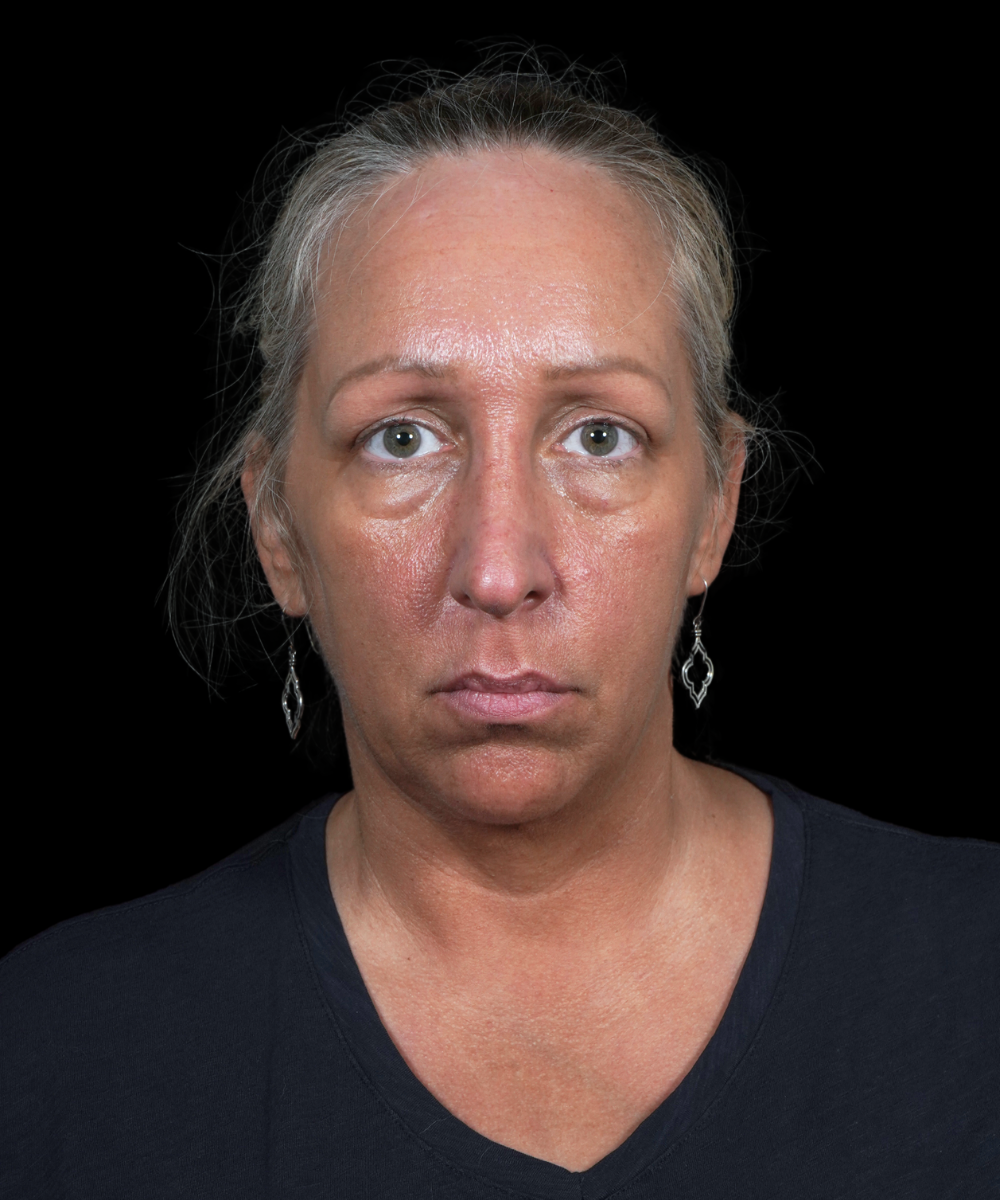
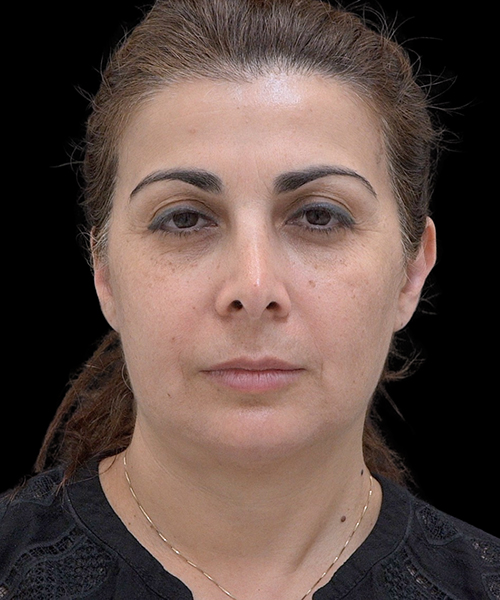
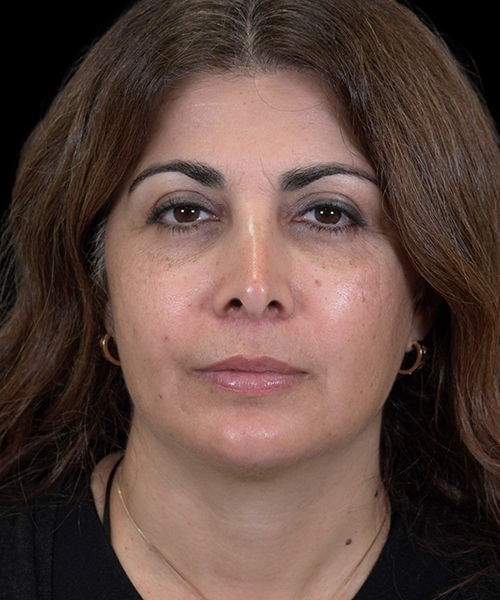
Results speak louder than any description. Below are real blepharoplasty patients of Dr. Hilinski — each case selected to show the natural, refreshed outcomes possible with upper eyelid surgery, lower eyelid surgery, and combined procedures. Individual results vary based on anatomy, age, and goals, and Dr. Hilinski will give you a realistic picture of what to expect during your consultation.
Case 15384
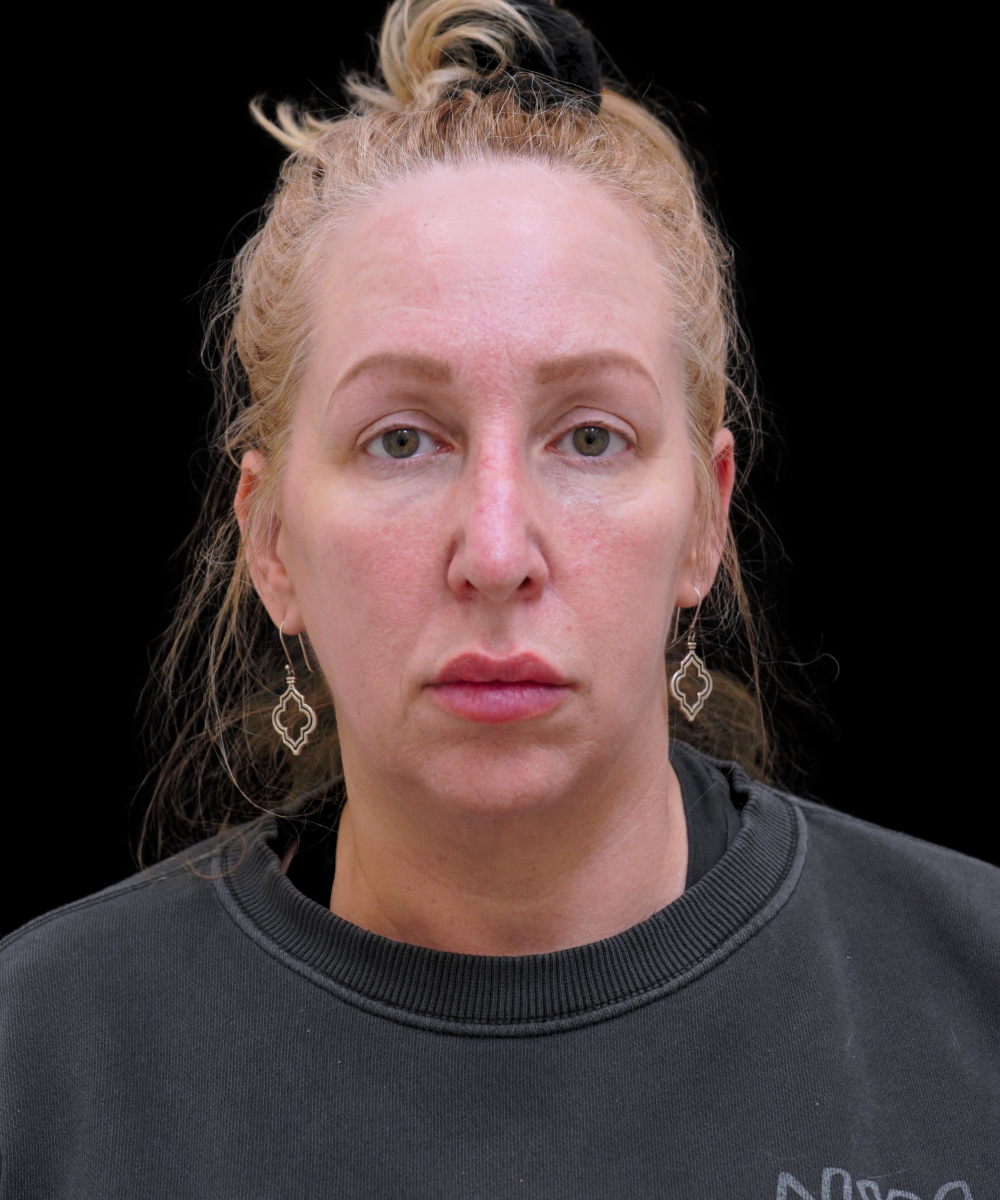
Case 15356
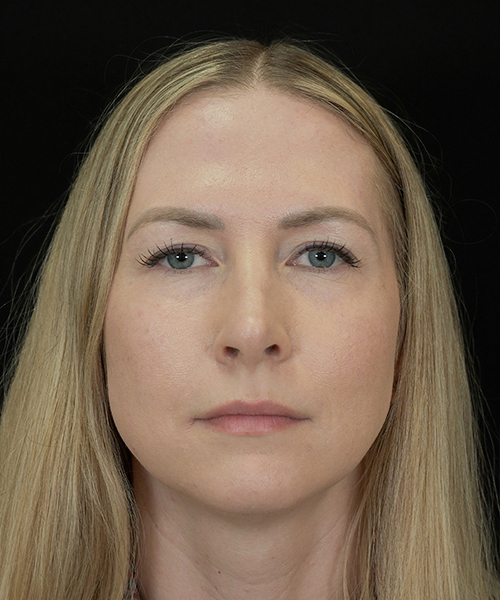
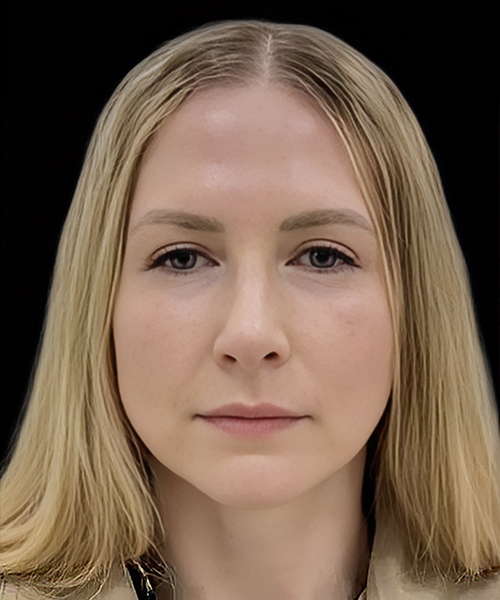
Case 14925
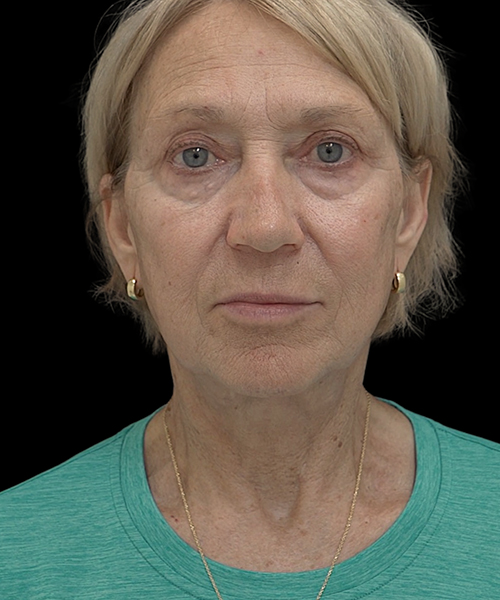
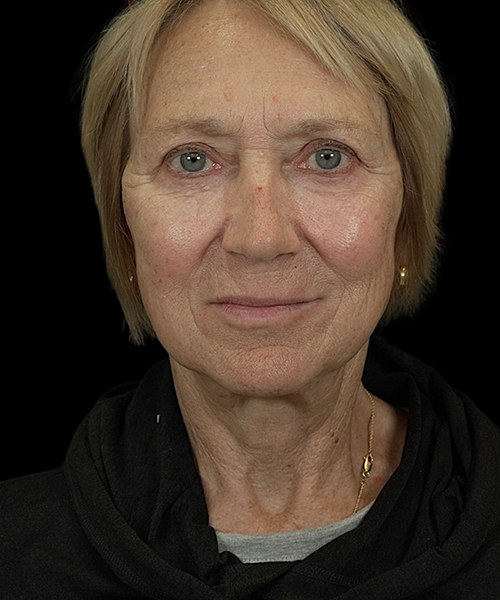
Case 14920
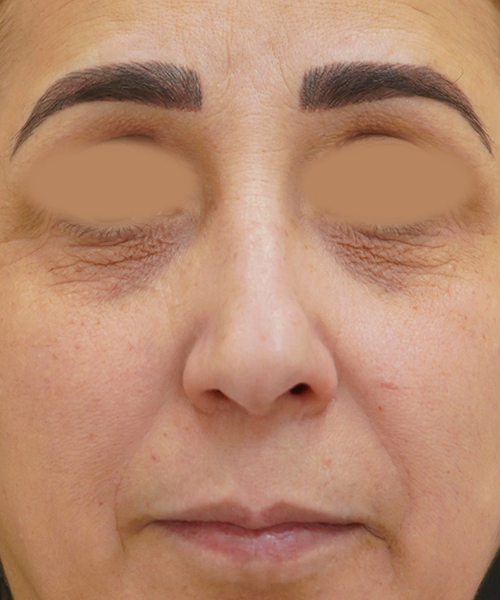
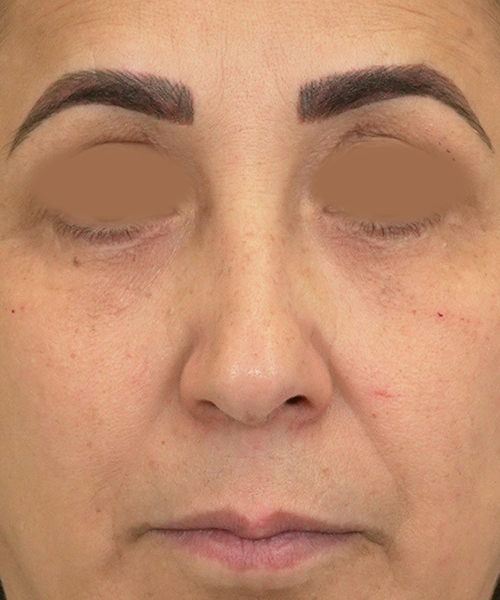
Case 14917
What Our Patients Are Saying
“Did a Direct Brow Lift and Upper Blepharoplasty with Dr. Hilinski about year ago. The operation was smooth and did not feel rushed at all. The price was excellent compared to prices in Los Angeles. Now that everything is fully healed I can say the results were phenomenal with little to no visible scars and no complications. The eyes are completely symmetrical now as well. He also provided free follow up co2 laser and injections to improve the brows. Will definitely be returning for more procedures in the future.”
– R., Google Review ⭐⭐⭐⭐⭐
“Dr. Hilinski and his staff are awesome! My experience at their practice far exceeded my expectations. Everyone is kind, welcoming and attentive. I would 100 percent recommend for all your needs.”
– C.R., Google Review ⭐⭐⭐⭐⭐
“Dr. Hilinski is amazing. And, everyone who works with Dr. Hilinski is kind, friendly, approachable and helpful. Most importantly, I feel rejuvenated and more confident with my new “natural” appearance. I would never go to anyone else, and I am so glad that I found him.”
– R., Google Review ⭐⭐⭐⭐⭐
Frequently Asked Questions About Eyelid Surgery
Scarring is a common concern, and one of the key advantages of blepharoplasty is that incisions are placed where they become virtually undetectable. For upper eyelid surgery, Dr. Hilinski places the incision within the natural crease of the eyelid, where it is hidden when the eye is open and fades significantly over time. For lower eyelid surgery, the transconjunctival approach places the incision entirely inside the lower eyelid, leaving no external scar at all. When a subciliary incision is used instead, it is positioned just below the lash line, where it blends naturally. Most patients find their incisions are unnoticeable to others within a few months of surgery.
Most patients are pleasantly surprised by how minimal the discomfort is. Blepharoplasty is performed under local anesthesia with sedation, so you will not feel pain during the procedure. In the days following surgery, patients typically describe a sensation of tightness, mild pressure, or eye fatigue rather than significant pain. Over-the-counter pain medication is usually sufficient for comfort during recovery. Dr. Hilinski and his team provide detailed post-operative instructions and are available to address any concerns throughout your healing process.
This is one of the most common misconceptions about eyelid surgery. Blepharoplasty can address under-eye puffiness, herniated fat, and loose skin — all of which can contribute to a shadowed appearance beneath the eyes — but it does not treat pigmentation-related dark circles. True dark circles caused by skin discoloration, thin skin, or vascular visibility may be better addressed with treatments such as injectable fillers to reduce shadowing in the tear trough, laser skin resurfacing, or PRF (platelet-rich fibrin) therapy. During your consultation, Dr. Hilinski will evaluate the specific cause of your under-eye concerns and recommend the most appropriate treatment, whether surgical, non-surgical, or a combination of both.
Yes. Blepharoplasty is commonly performed alongside a brow lift, facelift, fat transfer, upper lip lift, or skin resurfacing in a single operative session. Combining procedures allows patients to achieve more comprehensive facial rejuvenation while recovering only once. Dr. Hilinski will recommend which combinations are safe and appropriate based on your individual goals and health during your consultation.
As with any surgical procedure, blepharoplasty carries potential risks including temporary swelling, bruising, dry eyes, sensitivity to light, and, in rare cases, infection or changes in sensation. Dr. Hilinski conducts a thorough pre-operative evaluation and provides complete informed consent documentation so that every patient fully understands the procedure, expected outcomes, and potential risks before moving forward.
Dr. Hilinski will provide you with complete pre-operative instructions during your consultation and pre-operative appointment. In general, patients are asked to stop taking blood-thinning medications, aspirin, anti-inflammatory drugs, and certain supplements for a period before surgery, as these can increase the risk of bleeding. Smokers are advised to quit well in advance to support optimal healing. You will also need to arrange for a responsible adult to drive you home after the procedure and stay with you for the first night. Avoiding alcohol in the days before surgery and following any specific dietary instructions your team provides will also help ensure the safest possible experience.
Most patients return to desk work and non-strenuous activity within seven to fourteen days of surgery. By day seven, sutures are typically removed and most patients feel comfortable appearing in public with light makeup to conceal any residual bruising. Patients whose work involves physical exertion, heavy lifting, or prolonged bending should plan for additional recovery time. Dr. Hilinski will give you specific guidance based on your procedure and your job demands.
Most patients can resume wearing eye makeup approximately two weeks after surgery, once sutures have been removed and the incision sites have had adequate time to heal. Applying makeup earlier can introduce bacteria to healing incisions and irritate sensitive skin. Dr. Hilinski will confirm the appropriate timeline for your specific case during your post-operative appointments.
Blepharoplasty results are long-lasting, with many patients enjoying their outcomes for 10 to 15 years or more. While the procedure does not stop the aging process, the improvements made are permanent in the sense that the removed tissue does not return.
Most patients who seek blepharoplasty are in their 40s, 50s, or 60s, though the procedure can be appropriate for younger patients with genetic predispositions to heavy lids or under-eye bags.
Contact Us
If you are considering eyelid surgery near you in San Diego, we invite you to schedule a consultation with Dr. John M. Hilinski. During your visit, Dr. Hilinski will evaluate your anatomy, discuss your goals, and create a personalized surgical plan designed to help you look refreshed, natural, and like the best version of yourself.
Serving patients throughout San Diego, La Jolla, Del Mar, Encinitas, Chula Vista, and the greater San Diego area.
Sources
1 Mayo Clinic. Blepharoplasty. Available: https://www.mayoclinic.org/tests-procedures/blepharoplasty/about/pac-20385174. Accessed April 24, 2026.
2 American Society of Plastic Surgeons. 2024 Plastic Surgery Statistics. Available: https://www.plasticsurgery.org/news/plastic-surgery-statistics. Accessed April 24, 2026.
3 American Society of Plastic Surgeons. Who is a good candidate for eyelid surgery? Available: https://www.plasticsurgery.org/cosmetic-procedures/eyelid-surgery/candidates. Accessed April 24, 2026